When the 3 Pillars Can’t Save You – How to Handle Trading Losses?
Has it ever happened to you? Everything looked perfect. You identified the direction on the Daily and 4H charts, refined your zones on the 1H, and caught a textbook entry signal on the 15m. Then… boom. The market sliced through your stop-loss like a hot knife through butter.
In moments like these, you might want to throw your laptop out the window. But let’s stop for a second. A loss isn’t a sign of failure; it’s your “ticket” to the next big opportunity.
Loss as a “Cost of Doing Business”
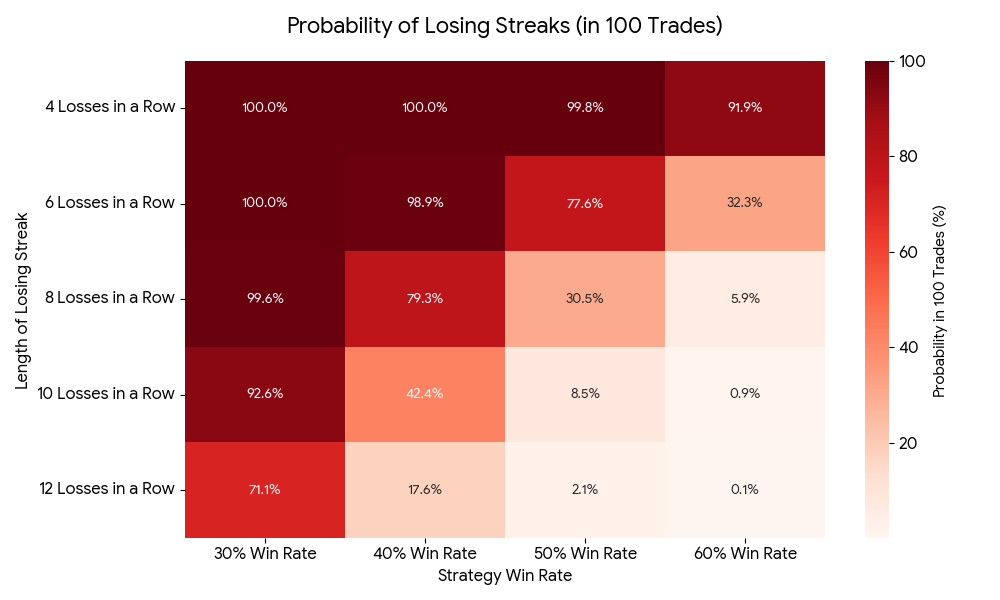
Think of trading as a business. No store exists without a utility bill or rent. In trading, a loss is your overhead. If you did everything right, followed the 3 Pillars, and still lost, it wasn’t a mistake. It’s statistics.
The trouble starts when you take a loss personally. The market doesn’t have a calendar; it doesn’t know you “needed” a win today.
The Revenge Trade Trap
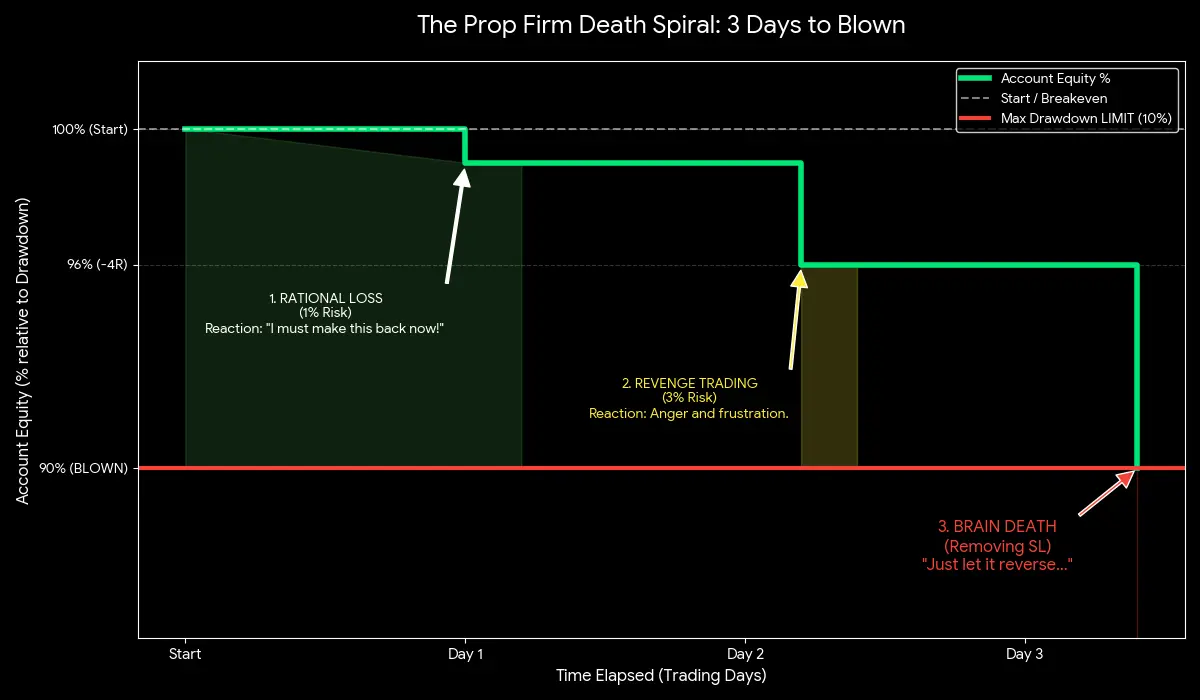
Most accounts aren’t blown by a single bad decision, but by the five decisions that follow it. When you lose, your ego gets bruised, and it wants the money back now. This is the “revenge trade.” This is when discipline goes out the window, and you start seeing setups in random market noise.
The rule is simple: If you feel like “showing the market who’s boss” after a loss, stop for the day. Go for a walk, hit the gym, or spend time with your family. The market will be there tomorrow.
How to Analyze Your “Black Box”?
Instead of beating yourself up, use your trading journal. Ask yourself:
- Was it a “good” loss? If you followed your rules, congratulate yourself! You followed the system and protected your capital. That is professionalism.
- Was the risk too high? If your stomach is in knots after a loss, your position size was too big. Dial it back.
- How were you feeling? Were you exhausted after a long day at work? Fatigue often leads to “eye-balling” errors across timeframes.
Final Thought: Survival First
Trading isn’t about how often you’re right; it’s about how much you make when you’re right and how much you lose when you’re wrong. Based on the Survival First principle, loss management is my most vital skill.
If you can lose with your head held high, you’re already halfway to consistent profits.